
Areca Nut Moisture and Storage Checks
Questions to ask about moisture testing, drying records, storage and condensation when purchasing dried Indonesian areca nut for ocean shipment.
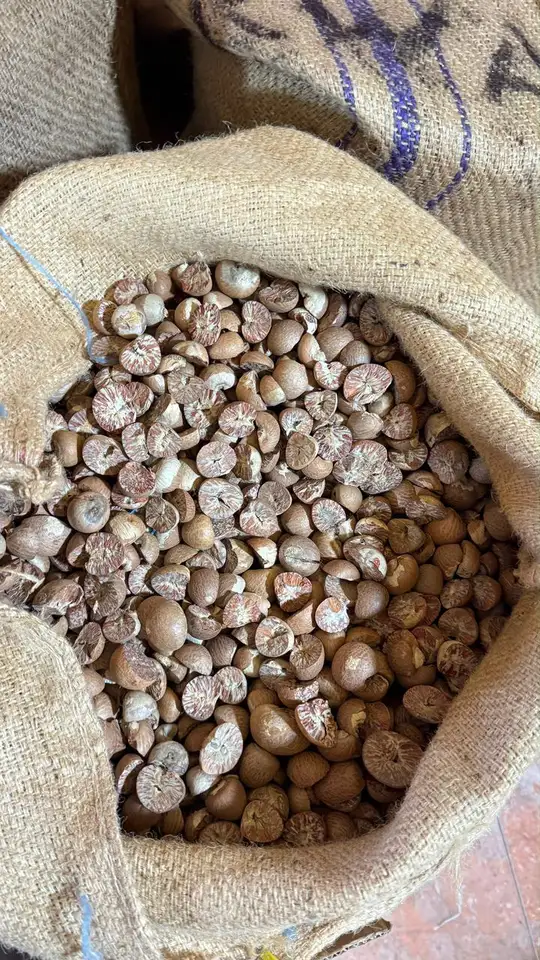
Moisture is a question to measure, not a condition to guess from the color of Indonesian areca nut in a photograph. When buying dried material, a useful discussion covers the proposed limit, the test method, the timing of the measurement and how the goods are held before loading.
Betel.trade’s product pages include indicative moisture targets. These are catalogue values to confirm for an order, not a universal safety threshold, a regulatory limit for every destination, or a guarantee that a shipment cannot develop a storage problem. The transaction needs its own agreed requirements.
Ask how the moisture result was obtained
Request the method, equipment, sample reference and test date alongside the reported percentage. Ask whether the instrument or laboratory method is suitable for the material and how the sample was prepared. Results are easier to compare when both parties understand what was measured rather than exchanging an isolated number.
If the supplier uses a handheld instrument for screening, discuss whether a laboratory confirmation is needed for acceptance. The important point is agreement in advance: do not assume that different devices, preparation methods or sampling locations will produce interchangeable results.
Connect testing to packing and dispatch
Record when the nuts were tested relative to sorting, bagging and loading. If stock is held for a period or exposed to changed conditions, ask whether a recheck is appropriate. A report should identify the goods it covers, and the loading team should know how that identity will be maintained.
For a buyer, this creates a simple document trail: lot reference, test record, packing date and release decision. If a batch is substituted, the earlier result should not silently travel with the new material. Request an updated evidence package or an explicit explanation of what still applies.
Review the actual storage arrangement
Ask for current views of the storage area and the packed goods, then discuss exposure to water, damp surfaces, damaged roofing and neighboring cargo. Check whether the bag material and liner match the agreed specification. A photograph of sacks alone does not establish the condition of the entire building or the way stock is managed over time.
- Confirm lot separation and clear bag identification.
- Ask how damaged or damp bags are isolated and reported.
- Record the planned holding period before dispatch.
- Agree who authorizes release if a condition changes.
Treat ocean-transit humidity as a separate issue
UNECE’s CTU Code explains that moisture inside a cargo transport unit can originate from cargo, porous packing and timber materials, as well as conditions during packing. Temperature changes during a journey can contribute to condensation. A dry-looking container at loading is therefore only one part of the assessment.
Discuss container suitability and the moisture-management plan with a competent packer. Liners or desiccants should not be described as guaranteed protection, and they are not substitutes for an agreed cargo condition at dispatch. Keep the selected approach in the packing instructions rather than adding it informally at the last moment.
Reference: UNECE CTU Code: condensation introduction
Plan the receiving check before shipment
Tell the receiving team what evidence to collect if bags arrive damaged or the material appears different from the approved reference. Preserve lot labels, condition photographs and relevant test records. Compare findings using the agreed method and notify the responsible parties within the contract’s reporting process; do not invent a universal claims deadline.