
Packing Indonesian Areca Nut for Export
Build a packing specification for Indonesian areca nut covering sacks, liners, net weight, shipping marks and a documented container loading plan.
Packing an Indonesian areca nut order involves more than selecting a bag weight. The buyer, supplier and packer need a shared instruction covering the sack, liner, closure, identification, quantity basis and intended transport arrangement. Without that instruction, two parties can agree on a product and still expect different deliveries.
The existing Betel.trade catalogue describes sack options for whole and split nuts. Treat those descriptions as a starting point for a quotation. Your receiving facilities, destination requirements and loading plan may call for a different arrangement, which needs confirmation before materials are purchased or goods are packed.
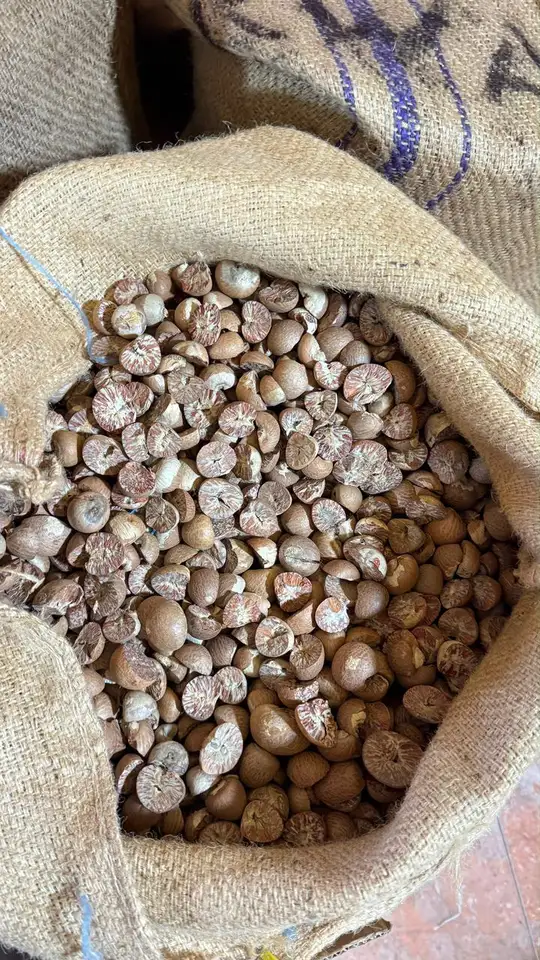
Specify the complete bag construction
State the outer material, whether a liner is required, the intended closure and the nominal net weight. Avoid relying on a phrase such as export quality sack without further detail. Ask for a photograph or sample of the proposed empty bag when its construction is important to the buyer.
Clarify whether the same bag specification applies throughout the order and what happens if the planned material becomes unavailable. Substitutions should be agreed, not discovered in loading photographs. Do not assume that a liner makes a bag waterproof, airtight or suitable for every storage condition.
Separate net weight, gross weight and bag count
Net weight refers to the product quantity, while gross weight includes its packaging. Put the agreed basis next to every quantity in the purchase documents. The nominal number printed on a sack is not a substitute for the weighing procedure used to confirm the shipment.
Ask how tare weight is established, how individual bags or the completed shipment are weighed, and what tolerance applies. A packing list should reconcile the number of packages with the declared quantities. If palletization is included, identify its effect on gross weight and the loading plan rather than leaving it implicit.
Use shipping marks that support traceability
Agree the exact text and placement of shipping marks with the importer. Useful operational fields may include a purchase reference, product description, lot code and package numbering. The importer should separately confirm which labels are mandatory for the destination and intended use.
Review a marking proof before the full run. A clear code links the physical bags to the inspection report and packing list. If several lots share one shipment, the marks and documents should make the distinction understandable to the receiving team without reopening the entire correspondence.
Approve a shipment-specific loading plan
Do not assume that a container size determines a fixed areca nut payload. Confirm the plan against the actual cargo, packaging, equipment limits and route constraints with the responsible logistics parties. Ask the packer how load distribution, securing and container suitability will be addressed.
The IMO/ILO/UNECE CTU Code provides a general, non-mandatory framework for packing cargo transport units. It is a useful discussion reference, not evidence that a particular container has passed inspection or that a suggested payload is approved.
Reference: UNECE: CTU Code
Keep a packing release record
Before dispatch, assemble the final packing list, lot references, available weight records and agreed photographs. Record the container and seal identifiers where applicable. Any shortage, substituted bag or changed loading arrangement should be resolved in writing with the buyer before release, not explained only after the vessel departs.
- Approved sack, liner and marking specification.
- Reconciled net quantity, gross quantity and package count.
- Documented loading and securing responsibilities.
- Final identifiers shared with the receiving team.