
Areca Nut Prices in 2026: What Moves a Quotation?
Explore the costs behind Indonesian areca nut quotations in 2026 and how to test price-rise claims without relying on unverified market forecasts.
There is no single price that describes every Indonesian areca nut transaction in 2026. A quotation refers to a product form, specification, quantity, shipment basis and validity period. Remove those details and the number becomes difficult to use.
This article does not claim that all areca prices are increasing or provide a live market rate. It explains how to investigate a change in an offer and distinguish product costs from wider market commentary.
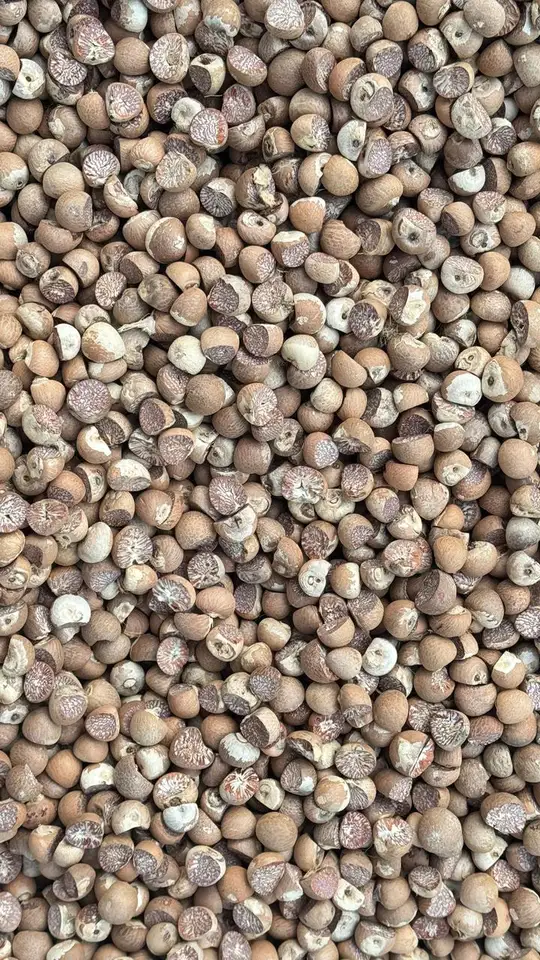
Begin with the material being priced
Whole kernels, selected split cuts and fragments are different assortments. Even within one form, the amount of selection and the accepted specification can differ. A price comparison should therefore begin with matching product descriptions.
Ask whether the offer concerns an identified prepared lot or future sourcing. The amount of work and uncertainty remaining before release can affect the commercial terms as well as the promised dispatch timing.
Look for changes in the quotation’s components
Useful categories include source material, preparation, packing, inland movement, freight where included and financing. A seller may not disclose every internal cost, but the parties can still clarify which shipment charges and services are included.
For repeat offers, compare the same currency, quantity basis and named place. A change from one shipment term to another can look like a market price increase when the offer simply includes more of the journey.
Global disruption is context, not a nut-price series
UNCTAD’s 2026 trade outlook discusses the consequences of Middle East conflict for energy, transport and the wider economy. That provides relevant context for cost uncertainty, but it does not establish a specific increase in Indonesian areca nut prices.
To connect a global development with an actual order, obtain the relevant carrier or supplier update and identify the affected cost. Do not convert a broad economic report into an invented commodity forecast.
Keep a dated, like-for-like offer history
A useful comparison sheet records issue date, validity, form, specification, net quantity, packing, currency and shipment basis. It also notes whether inspection, freight or other services changed between offers.
That record can show how a particular purchasing requirement is moving over time. It is more actionable than a generic claim that prices are rising, and it avoids presenting one supplier’s quote as the price of the entire industry.