
The Future of Indonesian Areca Nut: Five Questions
Explore the industry’s future through quality, traceability, farm resilience, material research and market access rather than guaranteed growth forecasts.
The future of an agricultural industry is better explored through identifiable questions than a guaranteed growth rate. For Indonesian areca nut, the important issues include the reliability of prepared material, the resilience of supply and the ability to meet changing market requirements.
The five questions below are an analytical framework, not a forecast. They help distinguish developments worth following from promotional claims that demand and profit must rise together.
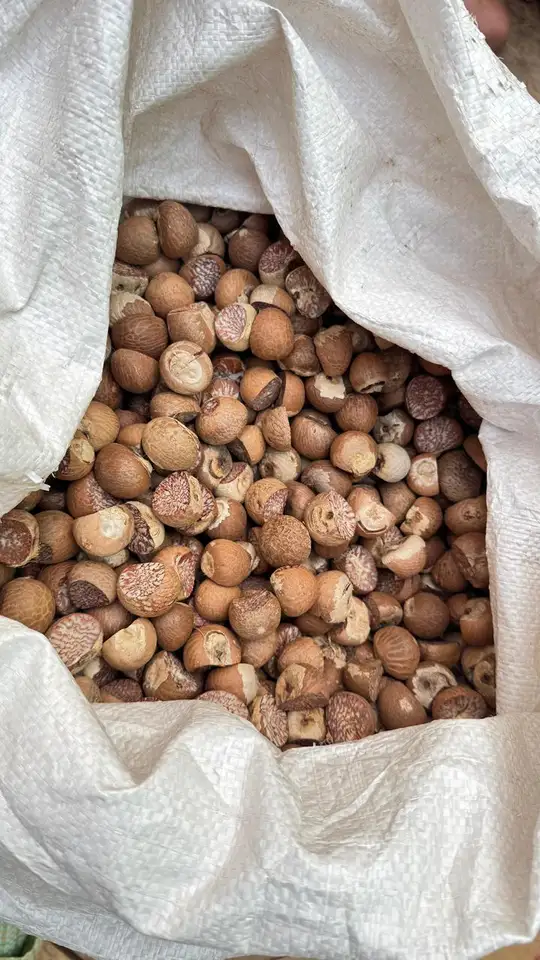
Can consistent preparation earn more trust?
A useful direction is greater consistency between the promised specification and the material received. That depends on practical work: clear grading definitions, representative samples and records that follow the lot through preparation.
The commercial test is whether improvements reduce misunderstandings, rework or rejection for the parties involved. Better documentation does not automatically justify a premium, but it can make a supplier’s claims easier to evaluate.
How resilient is the chain from harvest to release?
Field output is only part of available supply. Collection, drying capacity, labor and storage can influence when acceptable material is ready. A future-oriented business should examine those constraints rather than considering only planted area.
The useful question is where a disruption would be felt first and what evidence supports the proposed response. Additional capacity has value only if it addresses an actual bottleneck and can be operated economically.
Can origin claims become more precise and verifiable?
Traceability improvements can connect material, processing and samples more clearly. Their value lies in retrievable records, not in the novelty of the software used to store them.
A sensible progression starts with honest source descriptions and recorded batch combinations. Farm-level claims should follow verified links rather than being added because detailed provenance sounds attractive.
Which alternative applications survive real testing?
Husk and leaf-sheath projects are worth examining as distinct material opportunities. A pilot needs a defined feedstock, performance requirements and a credible customer, along with evidence for any environmental claims.
Research interest should not be turned into promised revenue before the process and market have been tested. Likewise, material applications do not negate the established health risks associated with chewing areca nut.
Reference: Areca husk fiber: evaluating a material-use project
Will the intended market remain accessible?
Trade planning needs continuing attention to product classification, destination requirements and the costs of moving goods. A large population or an established consumption tradition does not guarantee lawful access for every product form.
The most credible industry outlook stays open to several scenarios. It tracks measurable developments and updates the analysis when evidence changes, rather than presenting a single optimistic growth story as inevitable.