
Request an Indonesian Areca Nut Quotation
Prepare a clear areca nut RFQ with product form, grade, volume, packing, destination and inspection needs, plus an example inquiry you can adapt.
A clear request for quotation helps an Indonesian areca nut supplier identify the right material and quote on a useful shipment basis. “Please send your best price” leaves the seller to guess the product form, grade, quantity and destination. The resulting numbers may look comparable while describing different transactions.
An RFQ does not need to be long. It needs to separate confirmed requirements from preferences and open questions. If you are evaluating a new product, say that a sample or proposed specification is needed before you can approve a commercial order.
Describe the material before asking for a price
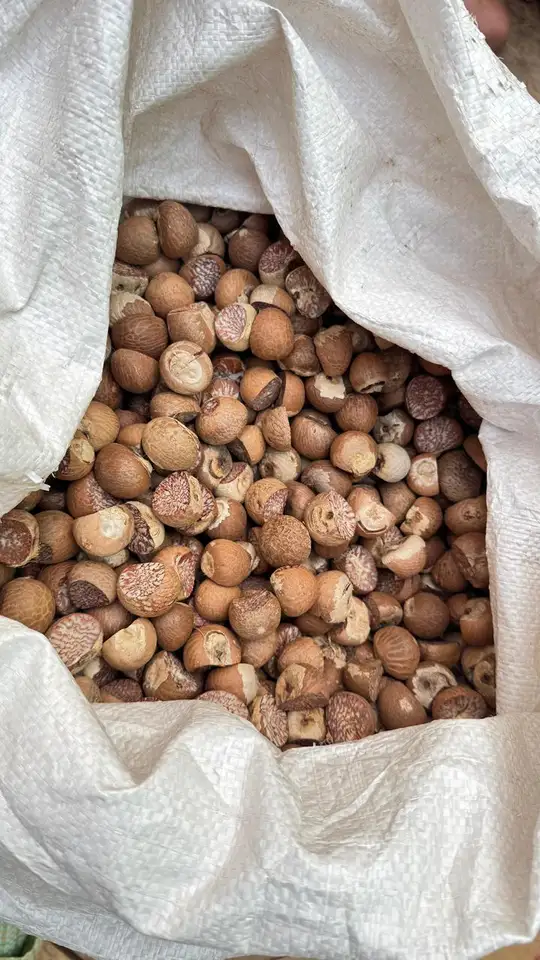
Name the product as Indonesian areca nut and state whether you want whole nuts or split cuts. Add the commercial grade you use, but explain any essential acceptance criteria. Include your moisture and foreign-matter requirements if already defined, together with the test or inspection method you expect.
If your business uses the term supari, include it alongside the physical description. A reference sample can be more useful than a broad adjective such as premium. Tell the supplier which parts of the reference are mandatory and which can be discussed against current availability.
Give quantity, packing and destination together
State the required net quantity in metric tons and whether it represents a trial, a single purchase or a forecast. A forecast is not the same as a committed order. If you request a container-based offer, ask the supplier and logistics parties to confirm the feasible net loading quantity rather than assuming it.
Specify the bag weight, outer sack, liner and shipping marks where known. Add the destination port or delivery place and the proposed shipment term. The supplier can then identify missing logistics information before a price is mistaken for a complete landed-cost estimate.
An example inquiry to adapt
The following is an illustrative RFQ, not a stock offer: “We are evaluating Indonesian split areca nut in commercial grade 80/85. Please provide your written good-cut definition, moisture specification and inspection method. Our proposed trial quantity is 18 metric tons, subject to confirmation of the loading plan.”
“Please quote 70 kg net sacks with the proposed outer material and liner identified. Our destination is Chattogram; please state the named shipment term, included freight charges, quotation validity and preparation lead time. We require a representative sample and will confirm acceptance criteria before ordering. Please list documents available for buyer and broker review.”
Replace every example requirement with your own. If the destination, bag size or quantity is undecided, label it as provisional. Do not reuse a template in a way that makes the seller believe unapproved requirements are final.
Compare offers in a common worksheet
Record the currency, net quantity, product specification, named shipment term, packing and quote expiry date for each offer. Add separate fields for inspection, samples and exclusions. Leave missing values visibly unresolved instead of treating an empty field as an included service.
- Which lot or preparation plan does the offer cover?
- Are packing and inspection included or separately quoted?
- What freight and destination charges are excluded?
- What approvals must happen before the stated lead time begins?
Convert the RFQ into a written order
Before confirming a purchase, reconcile the quotation with the agreed sample and specification. Record later changes in one revised document and ensure both parties have the same version. The final agreement should describe the goods and responsibilities clearly enough for the warehouse, inspector and receiving team to use without relying on the original chat.
Reference: Contact the Betel.trade export desk