
Whole vs Split Indonesian Areca Nut
Compare whole and split Indonesian areca nut by physical form, buyer specifications, sample checks and processing requirements before ordering.
Choosing between whole and split Indonesian areca nut is a specification decision, not simply a choice between two photographs. Buyers need material that fits their receiving, sorting and processing requirements. An attractive sample can still be unsuitable if its dimensions, cut profile or permitted defect level differ from the purchase order.
Betel.trade lists both whole and split forms. The right starting point is to tell the export desk what your operation accepts, then ask which available lot can be offered against that requirement. Do not assume that one form is universally better or that either form carries a guaranteed processing yield.
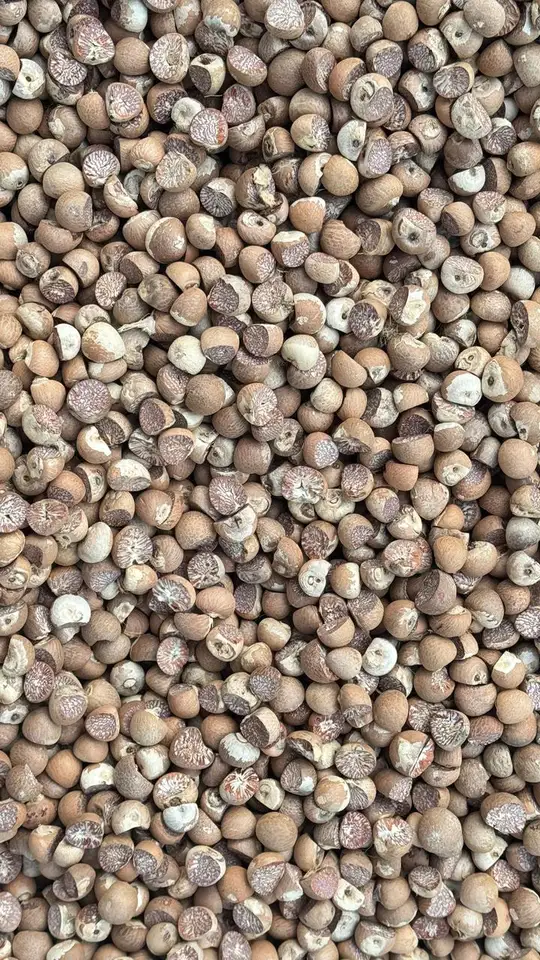
What to specify for whole nuts
For whole areca nut, describe the acceptable size range and how it will be measured. A requirement for uniform nuts is incomplete unless the buyer and seller agree what variation is allowed. Also define broken pieces, damaged nuts and foreign matter separately; otherwise a single overall quality label can conceal several different acceptance questions.
Ask whether the quotation covers a selected size range or a mixed commercial assortment. Where size is important to your process, evaluate a representative sample rather than a small display of the largest pieces. Record both the measurement method and the distribution you accept.
What to specify for split cuts
For split areca nut, discuss the agreed definition of a good cut, the treatment of fragments, and any appearance criteria. Grade labels can be useful shorthand, but the label should point to a written definition. A seller’s classification and a buyer’s receiving classification need to describe the same material.
A photograph of cut surfaces helps start this conversation. It cannot establish moisture or confirm the proportion of acceptable pieces across a shipment. Ask for the underlying inspection method and make sure the sample selection is not limited to the best-looking material at the top of a bag.
Compare both forms through a controlled trial
If your operation can accept either form, test samples under the same receiving and processing conditions. Give each sample a reference code and record what was supplied, how it was packed and when it arrived. Compare the outputs your business actually values instead of relying only on the quoted price per metric ton.
A trial worksheet can record accepted material, rejected material, handling observations and any extra sorting required. These are buyer-specific observations, not universal performance claims. If a trial changes the preferred specification, send the revised version to the supplier before asking for a final offer.
Make the commercial comparison like for like
Keep the shipment basis constant when comparing offers. Whole and split quotations should identify the same destination, quantity basis and packing assumptions, or explain the differences. A lower headline price is not a meaningful saving if it excludes charges or requires a different amount of preparation at your end.
- Confirm net weight rather than assuming bag count equals quantity.
- Compare the same shipment term and named place.
- Record inspection scope and the treatment of nonconforming material.
- Ask whether the offer is tied to a particular lot or future sourcing.
Close the decision with an approved reference
Once a form is selected, keep the approved specification and sample reference with the order. Do not let informal messages such as “same as last time” replace a current written agreement, especially if the receiving team or supplier changes. The final instruction should be understandable to someone who did not participate in the initial conversation.
Reference: Betel.trade whole areca nut specifications