
Areca Nut Color: What Appearance Can Really Tell You
Learn to interpret areca nut color and cut surfaces without confusing attractive photographs with moisture results, safety evidence or lot-wide quality.
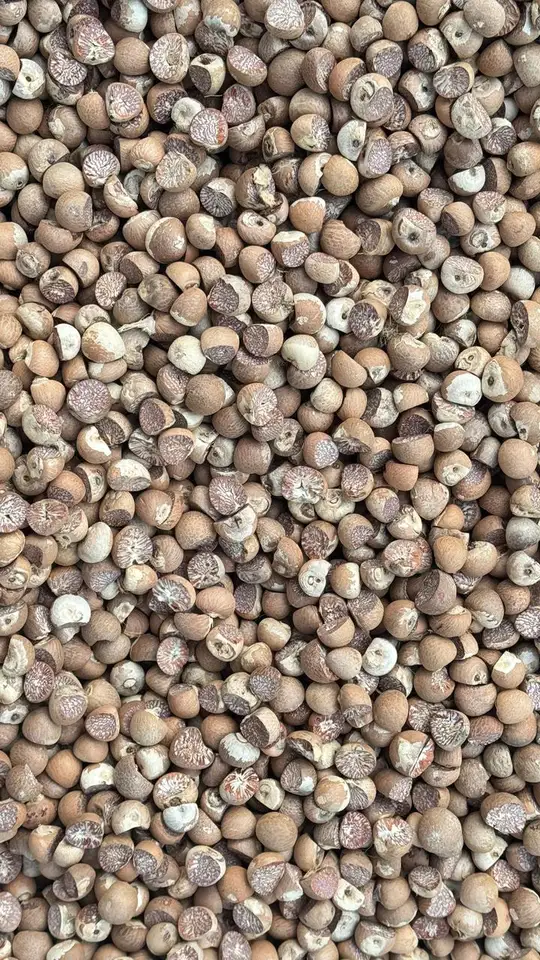
Color is one of the first things a reader notices in an areca nut photograph. It can help describe appearance, but it is also affected by lighting, camera processing and how the material is arranged.
A visually attractive lot is not automatically a tested lot. The useful question is which conclusions an image supports, and which require a different kind of evidence.
The camera changes the comparison
Images taken under different lighting can make the same material look warmer, darker or more contrasty. Editing and automatic phone processing can increase that difference. Comparing two promotional photographs as though they were calibrated measurements is unreliable.
For an appearance discussion, request consistent lighting and a clear view of a representative portion. Keep the image tied to its lot and date. Even then, describe what is visible rather than inferring a chemical or safety result from the color.
Cut surfaces reveal some features, not every property
A split view makes internal appearance easier to discuss than an image showing only intact outer surfaces. It can help identify what the parties mean by acceptable-looking pieces or visible damage.
However, the frame is only a selected view. It does not establish the proportion of acceptable pieces across all sacks, nor can it establish moisture or absence of contamination. Those questions require an agreed sampling and testing approach.
Make appearance criteria reproducible
If appearance matters to the intended process, define it with the receiving team. Use a reference sample or agreed descriptive categories and explain how borderline pieces will be handled. Avoid relying on phrases such as bright quality that mean different things to different people.
A useful record separates appearance observations from measured properties. That prevents a favorable visual assessment from silently standing in for an inspection that was never performed.
Treat a gallery as an introduction
Our existing gallery helps readers recognize the material and discuss product forms. It is not a live inventory feed, a certificate or proof that the current shipment has the exact assortment shown.
The next step for an actual order is current-lot evidence and a specification agreed with the receiver. Color can be part of that conversation, but it should not carry more weight than the evidence allows.
Reference: Planning representative areca nut inspection