
Drying Areca Nut: Sun, Covered and Mechanical Systems
Compare areca nut drying approaches through weather exposure, batch control, energy and moisture measurement rather than fixed drying-day promises.
Drying is one of the most important transitions between harvested areca material and a prepared commercial lot. The choice of method affects exposure to weather, the work needed to manage batches and the evidence available when material is released.
A useful comparison looks at the whole process rather than declaring one method universally best. The starting material, equipment, local conditions and required final specification all influence the decision.
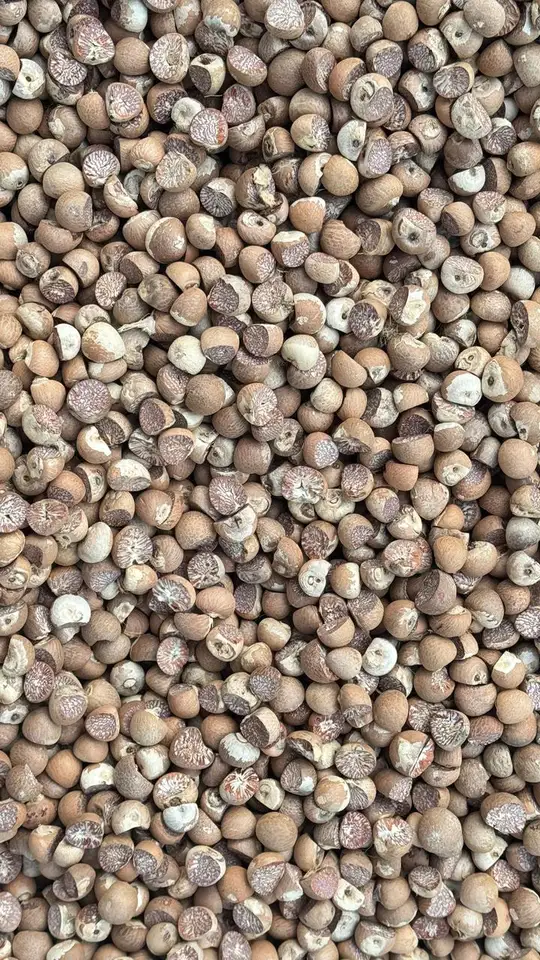
Sun drying depends on the working conditions
Indonesian guidance on Betara postharvest handling discusses conventional sun drying as well as oven drying. It emphasizes clean drying areas, attention to airflow and consistent handling of the material.
For a practical assessment, examine the available surface, exposure to rain and how batches are protected when conditions change. A low equipment cost does not mean that labor, space and weather-related delays have no economic cost.
Covered and mechanical systems change the trade-offs
A covered area can change exposure to weather, while mechanical equipment introduces different controls and operating costs. Neither description alone proves the uniformity of the output. The actual arrangement and how it is operated still matter.
Compare energy, maintenance, handling effort and usable capacity under the conditions of the operation. Equipment advertised by nominal capacity may not produce that amount of acceptable output in every cycle. Record actual batch results before relying on a forecast.
Release material by an agreed condition, not elapsed days
A statement that a batch was dried for a certain number of days is a process observation, not a moisture result. Starting condition, weather, loading and handling can differ between batches. Agree on the final specification and how it will be measured.
Keep the measurement method, sampling approach and batch identity with the result. If the material is later mixed or rehandled, ensure the final offered lot still corresponds to the evidence being supplied.
Drying is not a universal remedy for unsuitable material
Do not assume that further drying can make every deteriorated or contaminated input acceptable. Segregate questionable material and obtain appropriate technical assessment rather than treating a lower moisture reading as proof that all problems have been removed.
The best process comparison includes rejects and failed batches as well as successful output. That gives growers and processors a realistic view of reliability, rather than a competition between attractive equipment descriptions.