
Areca Nut Harvest Season: Why Timing Varies
Learn why areca nut harvest timing varies by locality, how weather affects drying and availability, and why a nationwide peak-month claim can mislead.
A single national harvest calendar can make areca nut supply look more predictable than it is. Indonesia spans many local growing conditions, and the commercial availability of dried material also depends on what happens after fruit is collected.
Instead of promising one universal peak season, it is more useful to distinguish three clocks: fruit readiness in the field, preparation time after harvest and the date when a documented lot is ready to ship.
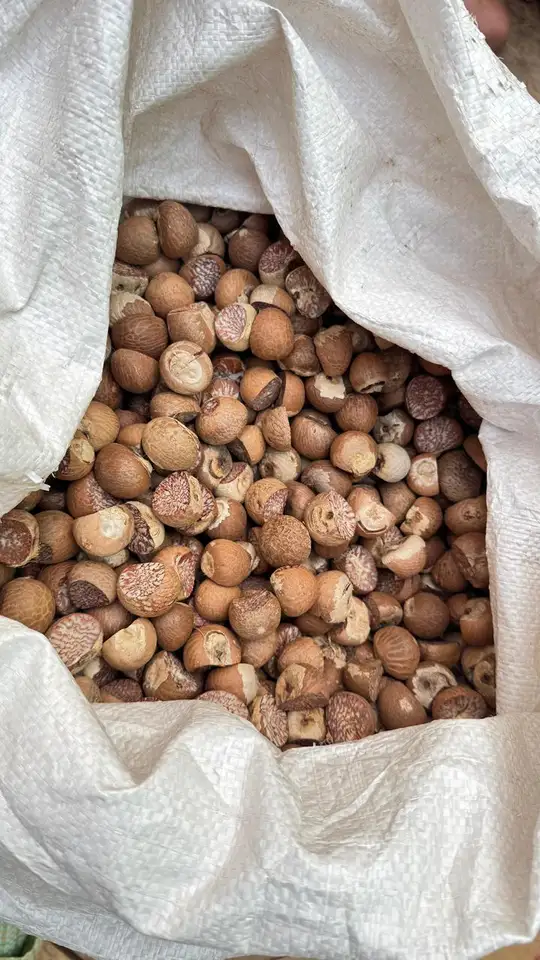
Harvest timing belongs to a locality and a product
A calendar should identify the district, observation period and intended harvest stage. Material collected for one form or process may not follow the same schedule as material collected for another. A familiar local pattern should not be expanded into a countrywide rule without evidence.
For a grower or collector, a simple harvest log can reveal the pattern that actually matters to their operation. Record collection dates and quantities alongside the condition of the material, then compare periods on a consistent basis.
Rain can affect preparation as well as collection
Even when fruit is available, drying arrangements influence when a dried lot can be released. A wet period may change the usable drying window or increase reliance on covered or controlled preparation. That is a process-capacity question as well as an agricultural one.
Jambi agricultural guidance emphasizes attention to drying in Betara postharvest handling. The practical implication is to ask about the actual preparation method and measured release condition rather than assuming harvest date equals shipment readiness.
Reference: Ministry of Agriculture: Betara postharvest drying context
Available stock and new harvest are different signals
An offer can concern already prepared stock or material that still needs to be sourced and processed. Those situations have different lead-time uncertainties. The word available should be accompanied by a description of the stage the material has reached.
For planning, distinguish quantity physically held, quantity awaiting preparation and quantity only expected from future collection. Combining them into a single stock figure obscures the risk behind the promised dispatch date.
Seasonality alone does not explain a price
A price also reflects the offered form, usable output, handling, financing and shipment basis. Even a documented change in harvest quantity does not prove the size or direction of a particular quotation change.
Use the local calendar as one planning input, then confirm the current lot and preparation schedule. That is more useful than choosing a purchase month from an unsourced nationwide chart.