
Areca Nut Planting Material: Start with Provenance
Understand the records behind areca palm seeds and seedlings, the limits of yield promises, and the questions to discuss with a local agronomist.
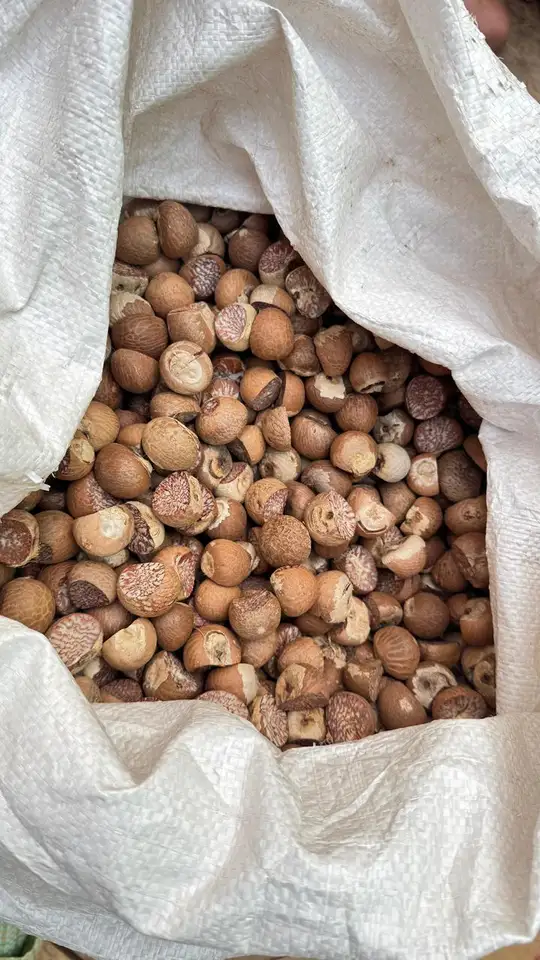
Planting material is the beginning of a long agricultural commitment. Choosing seeds or seedlings by the appearance of a dried export nut misses the information that matters: source identity, nursery history and suitability for the actual site.
This article is a planning framework, not a universal agronomic prescription. A qualified local adviser should help evaluate planting decisions, and a seed purchase should not be based on a promised export price several years ahead.
Provenance starts before the nursery
BPSIP Jambi’s technical guidance on Betara seed-source gardens illustrates why planting material has its own documentation. Source-garden information belongs to seed production and identity, a different subject from grading a sack of dried kernels.
When a variety is claimed, request the relevant source record and check how the nursery connects its batch with that source. Keep the documents rather than relying on an informal assurance that the seedlings are the same type.
Reference: BPSIP Jambi: technical guide to Betara seed-source gardens
Local fit matters alongside the name
A source may be credible while the proposed planting site still requires assessment. Discuss drainage, existing vegetation, access, expected management and local experience with the adviser. A cultivar name cannot answer every site question.
Avoid treating a best-case yield figure as a budget guarantee. Ask what conditions produced the result and whether they resemble the planned operation. A realistic plan includes the possibility of slower establishment, replacement plants and changing market conditions.
Carry the identity through handling
At receipt, record supplier, batch reference, quantity and condition. Keep different sources distinguishable if they are being compared. If labels are lost or batches are mixed, later field observations may no longer be attributable to the intended source.
A simple map of planting locations helps connect future observations with the original batch. This is useful for evaluating performance over time and for discussing problems with the supplier or technical adviser.
Separate establishment economics from commodity marketing
The planting budget should include nursery or seed costs, site preparation, labor, care and the period before expected income. A current wholesale quotation for dried nut is not enough to establish the return on a new plantation.
Treat the purchase as an agricultural decision supported by local technical advice and documented material. That approach is more durable than choosing the most impressive variety advertisement or assuming every export market will remain unchanged.