
Areca Nut Nurseries: Building a Healthy Start
Explore nursery planning for areca palms: seed identity, drainage, observation and transplant records, with local advice taking priority over recipes.
An areca nursery turns a planting intention into living material that can be observed and recorded. Its value is not just the number of seedlings standing in rows, but the reliability of their identity and condition when they leave.
Good nursery planning is local and practical. The principles below help organize a discussion with an agronomist; they do not replace a site-specific recommendation for media, watering, nutrition or disease management.
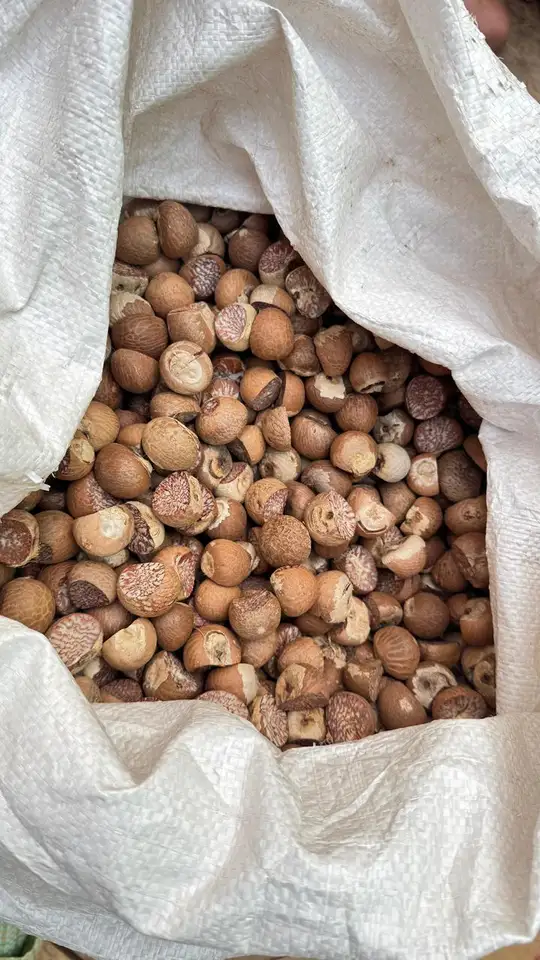
Begin with identified seed and a suitable setting
Indonesian good agricultural practice guidance for areca emphasizes selected mature seed material and protected germination conditions. It describes moisture protection during the early stage rather than treating germination as an immediate event.
For a nursery operator, this means planning space, observation and care before receiving material. A batch should have a known source and sowing date, so that its progress can be discussed meaningfully instead of compared with an unrecorded mixture.
Reference: Ministry of Agriculture: areca Good Agricultural Practices
Observe condition rather than following a calendar blindly
A fixed routine can be convenient, but it should not replace checking the actual nursery. Look for uneven wetness, standing water, physical damage and differences between batches, then discuss concerning changes with the adviser.
Keep observations specific. Record when a problem appeared, which area it affects and whether management changed. Photographs taken from consistent viewpoints can support that record, but should not be used to diagnose every issue without competent review.
Keep batches and trials distinguishable
If the nursery compares different sources or handling approaches, label them clearly and avoid changing several factors at once without recording it. Otherwise a difference in growth may be attributed to the wrong cause.
A comparison should account for the number started, losses and the number considered suitable for the next stage. Reporting only the best-looking seedlings hides the practical performance of the whole batch.
Prepare a traceable handover to the field
Before movement, agree with the adviser on appropriate readiness and handling for the destination site. Record the quantity transferred and its receiving location. Keep source identity connected with the field record after the plants leave the nursery.
A responsible handover does not promise that every seedling will perform identically. It provides the recipient with the information needed to continue care and investigate problems. That continuity is one of the nursery’s most valuable contributions.