
Indonesian Areca Nut for the Bangladesh Market
Explore Bangladesh-bound areca nut planning, from product descriptions and customs research to document alignment and importer confirmation.
Bangladesh-bound areca nut trade begins with two separate questions: does a potential receiver want the offered material, and can that exact product be imported under the applicable requirements? A positive answer to one does not settle the other.
This article outlines a research and preparation workflow for Indonesian supply. It does not advertise a confirmed buyer list or guarantee customs clearance.
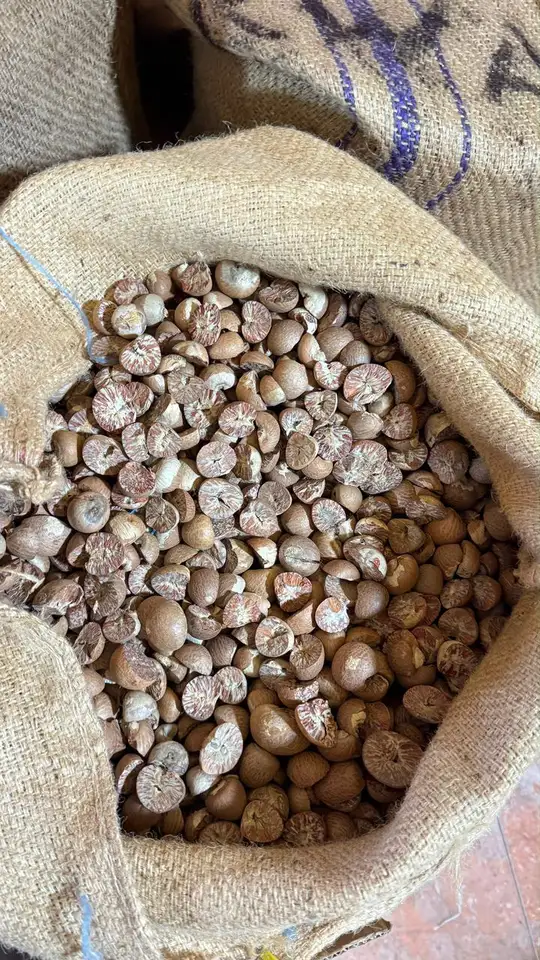
Use the destination’s product-specific information
Bangladesh Customs’ Import Export Hub includes areca tariff entries and links relevant to import requirements. One entry, for example, specifically describes wrapped or canned areca nuts up to a stated pack size. That is a reminder to check the full line description rather than selecting the first areca result.
The importer should identify the correct entry for the actual bulk or prepared product and confirm current requirements with its customs adviser. A page for a different packing form cannot be assumed to apply unchanged.
Reference: Bangladesh Customs: operative tariff and product requirements
Match the material with a real receiving requirement
Discuss form, acceptable condition, quantity basis and packing with the identified receiver. A company’s general agricultural activity is not enough to establish that it imports the proposed areca form.
A clear requirement also helps the Indonesian supplier avoid offering an assortment the receiver cannot use. Samples and written criteria should narrow uncertainty before the parties negotiate a larger commitment.
Align descriptions before issuing final paperwork
The order, packing information and relevant shipment documents should describe the same material and quantities. Resolve spelling, company identity and product-description differences before the final documents are issued.
Ask the importer which documents and procedures apply to the proposed transaction, then confirm responsibilities with the relevant service providers. This is more reliable than treating a generic export checklist as a complete destination-specific approval.
Keep timing and change control explicit
A preparation schedule should distinguish material readiness from documentation, booking and destination arrangements. If a requirement changes, review the plan before shipment rather than assuming the original schedule still holds.
The most useful commercial conversation connects product fit, verified access and a documented handover. That allows interest in Indonesian areca nut to become a workable plan without relying on unsupported claims about easy clearance or guaranteed demand.