
Indonesian Areca Nut and India’s Import Market
Explore product fit, policy verification and landed-cost questions for Indonesian areca nut shipments to India without assuming automatic market access.
India is a natural subject for areca nut market research, but familiarity with supari should not be confused with automatic import access. A proposed Indonesian shipment needs a precise product description and a current destination-side assessment.
The following framework connects market interest with practical preparation. It deliberately avoids quoting a duty rate or minimum import value as permanently applicable.
Use current policy, not a recycled notification
DGFT has issued areca import-policy notifications distinguishing product lines and conditions. For example, its July 2023 notice addresses whole areca nuts and specific conditions. That dated document illustrates the need to read the exact policy context; it is not presented here as a complete 2026 rulebook.
Before contracting, the Indian importer should verify the current applicable notifications and tariff treatment with competent advice. An older threshold repeated on a supplier website should not determine a new shipment.
Reference: DGFT: Notification 17/2023 on whole areca nut policy conditions
Identify the receiver’s actual process
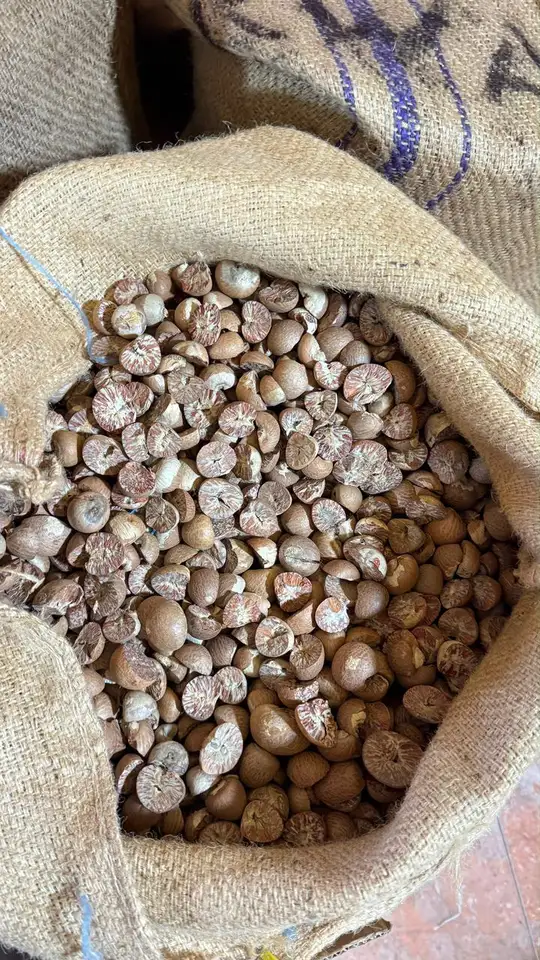
A potential customer may need whole kernels, split material or another form, each with a different receiving requirement. Establish that fit before treating the firm as a qualified buyer for an Indonesian offer.
A sample discussion should identify measurable characteristics and the method used to assess them. General interest in areca does not establish that the proposed lot will work in the receiver’s operation.
Build the cost comparison after eligibility is checked
Once lawful access and classification have been confirmed, compare the costs relevant to the proposed shipment. Include the agreed transport basis, destination handling, applicable charges and the buyer’s own preparation costs.
A lower source quotation may not produce a lower usable-input cost. Keep the specification, accepted yield assumptions and currency basis visible, and use current professional estimates for destination charges rather than a generic online percentage.
Confirm responsibilities before material is committed
Agree who verifies destination requirements, arranges any required documents, checks the final drafts and accepts changes to the shipment plan. Keep the commercial description aligned across the order and supporting paperwork.
The result should be a product-specific, lawful transaction plan. Market potential is a reason to investigate, not permission to ship first and resolve policy questions after cargo arrives.