
Indonesian Areca Nut: A Buyer’s Guide
Understand Indonesian areca nut, betel nut, supari and pinang terminology, product forms, and the details to confirm before a wholesale inquiry.
An inquiry for Indonesian areca nut becomes useful when it describes the material the buyer actually needs. A product name alone does not establish whether the order is for whole nuts, split cuts, a particular size range, or a batch selected against an agreed sample. Those differences affect the offer, inspection plan and packing instructions.
This guide is a starting point for importers, wholesalers and processors comparing Indonesian supply. Betel.trade is based in Tungkal, Jambi, and its catalogue includes whole and split areca nut. The catalogue is an introduction to available specifications, not a guarantee that every grade or quantity is immediately in stock.
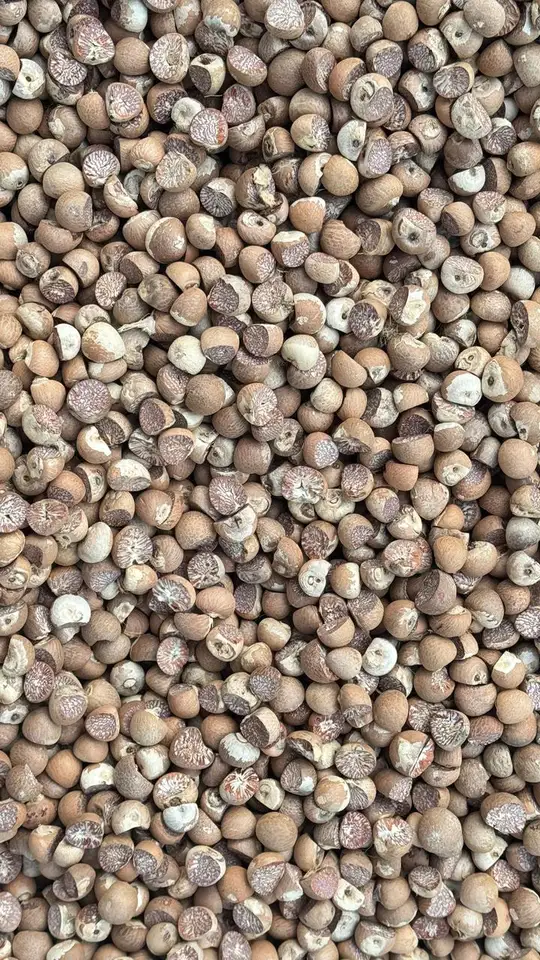
Areca nut, betel nut and pinang
Areca catechu is the botanical name of the areca palm. Kew records common names including betel nut and pinang. In South Asian trade inquiries, supari is another useful search term, but buyers should still describe the physical material instead of assuming that a familiar name settles its specification.
Write the product form beside the name on your inquiry and sample label. For example, “Indonesian dried split areca nut” communicates more than “premium supari.” If your business uses a local grade name, attach a reference image and explain the acceptance criteria in plain language.
Reference: Kew: Areca catechu
Start with the physical form
Whole nuts and split nuts are different buying decisions. A whole-nut request should address size distribution and allowable breakage. A split-nut request should explain acceptable cuts and defects. A general preference for a light or dark appearance needs reference samples because photographs, lighting and screens can change how color is perceived.
Work backward from the requirements of the receiving operation. Ask which dimensions, appearance limits and packing format matter at intake, and which checks will be repeated after arrival. This makes it easier to compare offers on the same basis.
Build a short written specification
A useful specification separates product identity from measurable acceptance limits. Include the form, agreed grade definition, moisture test method, foreign-matter limit and packing. Add the proposed quantity and destination so the supplier can check both stock and shipment feasibility. Any value taken from an online listing needs confirmation in the transaction documents.
- Product form and intended commercial use.
- Grade definition and a reference sample where needed.
- Inspection method, quantity and allowable tolerances.
- Bag specification, destination and requested shipment window.
Use catalogue media as an introduction
The photographs on this website show material from the existing media collection. They are useful for discussing appearance, but they do not establish the condition, age, quantity or test results of a new order. Request current, identified batch evidence before treating a quotation as an offer for a particular lot.
Keep the approved sample, quotation and inspection report connected by one reference number. If a supplier proposes a different lot later, ask what has changed and whether a new sample or approval is required. Clear version control is often more useful than a longer product description.
Keep commercial quality and health claims separate
These articles address procurement, not consumption advice. IARC classifies areca nut as carcinogenic to humans. Terms such as clean, selected or export grade must not be interpreted as claims that consuming the product is safe or beneficial. Ask qualified local advisers to confirm requirements for the intended market and use.
Reference: IARC: areca nut classification