
Why Local Areca Nut Diversity Matters
Explore what local areca palm populations contribute to crop research and why genetic diversity is not the same thing as a finished export grade.
Genetic diversity is an agricultural resource, not another export grade. Local areca populations may differ in characteristics that interest researchers, but those differences need observation and evaluation before they become reliable planting recommendations.
Understanding this process makes variety news easier to read. The discovery of interesting palms is the beginning of research, not an immediate promise of superior performance in every field.
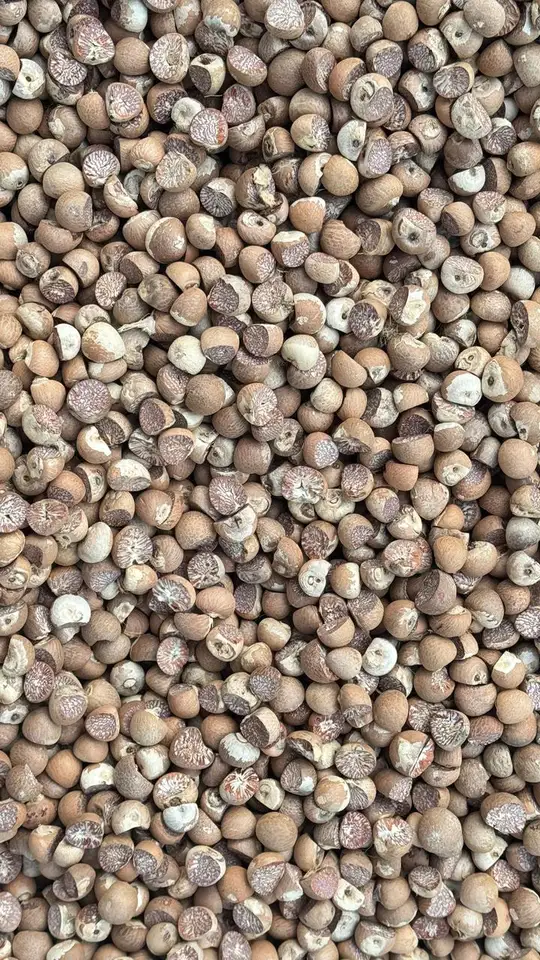
Exploration begins with variation
Indonesian agricultural researchers have documented exploration of areca genetic resources in West Sumatra and Timika, Papua. The work describes collecting material and planning further evaluation for breeding, rather than presenting every collected accession as a released variety.
This is an important distinction in crop reporting. A selected research accession has an identity within a collection. It is not automatically commercial seed available for unrestricted sale or a finished answer to a grower’s local constraints.
Reference: Ministry of Agriculture: areca genetic resource exploration
A striking observation is a question to investigate
An unusually productive or compact palm may be worth studying. But the observed result sits within a particular environment, management history and measurement period. Those conditions need to be understood before attributing the result entirely to inherited characteristics.
A careful research account explains what was observed, how material was selected and what remains to be tested. That sequence helps readers distinguish a promising lead from a proven recommendation.
Collections are useful when identity is preserved
A research collection loses value if labels and source records become uncertain. The same principle is useful in commercial nurseries: keep the material’s identity connected to its source and handling history.
For a reader, this means looking for documented provenance rather than only a photograph of an impressive fruit. The image may draw attention, but records make an observation traceable and useful for later comparison.
Why the trade should care without overclaiming
A diverse agricultural resource may support future investigation of traits relevant to growers. The commercial implication is a reason to follow credible research, not a basis for promising immediate increases in export supply or reductions in price.
Buyers should continue evaluating current lots on current evidence. Growers should consult appropriate local technical services before choosing planting material. Keeping these timelines separate allows crop diversity to be discussed as a meaningful long-term subject rather than a marketing shortcut.