
Pinang Bonbon: Understanding the Trade Name
What does Pinang Bonbon mean in an offer? Learn to distinguish a trade name, maturity stage and processed product without assuming a certified variety.
Pinang Bonbon appears in some commercial descriptions of areca products, but a trade name alone does not tell a reader whether the offer concerns fresh fruit, a selected maturity stage or a prepared product. That uncertainty is important when a name is repeated across export articles.
We have not established Pinang Bonbon as a certified Indonesian cultivar through the primary sources reviewed for this journal. It would therefore be misleading to introduce it as a proven new variety or to promise that it is a rapidly growing export category.
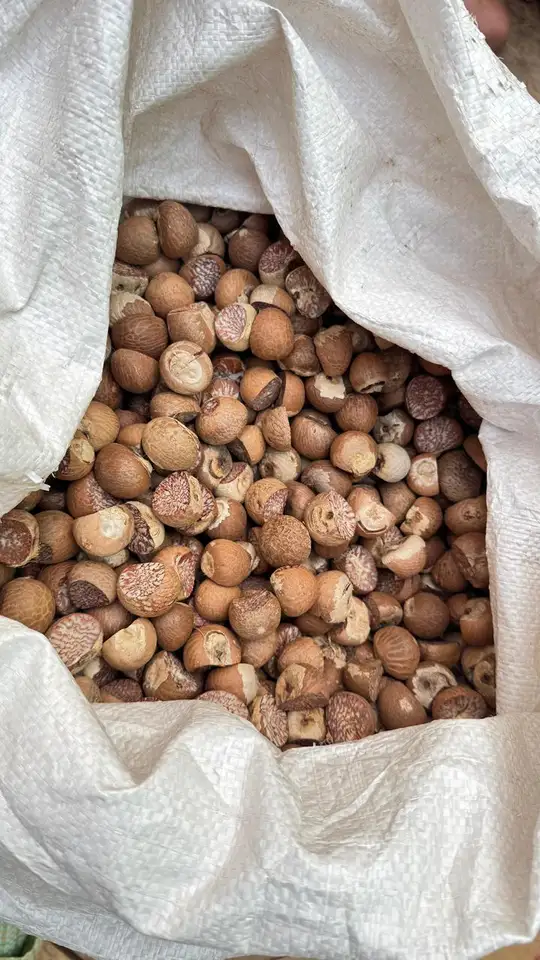
Start with the seller’s physical description
Ask what the name means in that specific offer. Is the material fresh or dried? Does it include the husk? Has it been cut, cooked, flavored or otherwise processed? The answer determines what other questions should follow.
This is not just a translation problem. A photograph and a local nickname can describe an item quite clearly to familiar trading partners while leaving an overseas reader uncertain. A short written definition makes the conversation accessible to someone outside that network.
A cultivar claim needs a different kind of evidence
A cultivar description concerns planting identity and documented characteristics. A commercial label may instead describe appearance, preparation or the seller’s assortment. The two can coexist, but one does not prove the other.
If cultivar identity is central to an offer, request the relevant official description and the link between the supplied material and its planting source. An attractive name or repeated search result is not enough to establish that relationship.
Reference: Indonesian Ministry of Agriculture: variety information portal
Test the claim that a commodity is rising
To call a product an emerging export commodity, an article needs more than several similar supplier pages. Useful evidence would specify the product definition, reporting period, trade quantity and how the category is separated from other areca products.
If statistics do not isolate the named product, say so. Broader areca export data cannot automatically establish growth for Pinang Bonbon. A business can explore an opportunity without turning an unverified market story into a headline fact.
Use the name as an introduction, not a specification
The sensible next step is a product sheet and sample tied to the proposed supply. Include the material’s condition, processing history, packing and intended destination, then verify any applicable requirements for that exact product.
This journal covers the term because readers encounter it, not because every claim attached to it has been confirmed. Clear boundaries make the article more useful than repeating a promotional definition with unjustified certainty.