
Pinang in Indonesian Culture and Everyday Language
Explore pinang as a cultural and agricultural term in Indonesia, while keeping regional traditions, commercial products and health evidence distinct.
Pinang is more than an export keyword. In Indonesian conversation it can refer to an agricultural plant, a harvested material or an object within a local tradition. Its meaning depends on who is speaking and the context in which the word is used.
An accurate cultural article should leave room for that variation. Indonesia is not one uniform community, and a practice documented in one place should not automatically be described as universal across the country.
Tradition needs a place and a context
Historical and ethnographic discussions of areca nut describe its association with social practices in parts of Asia and the Pacific. Those accounts explain cultural significance; they do not establish that every Indonesian household follows the same practice today.
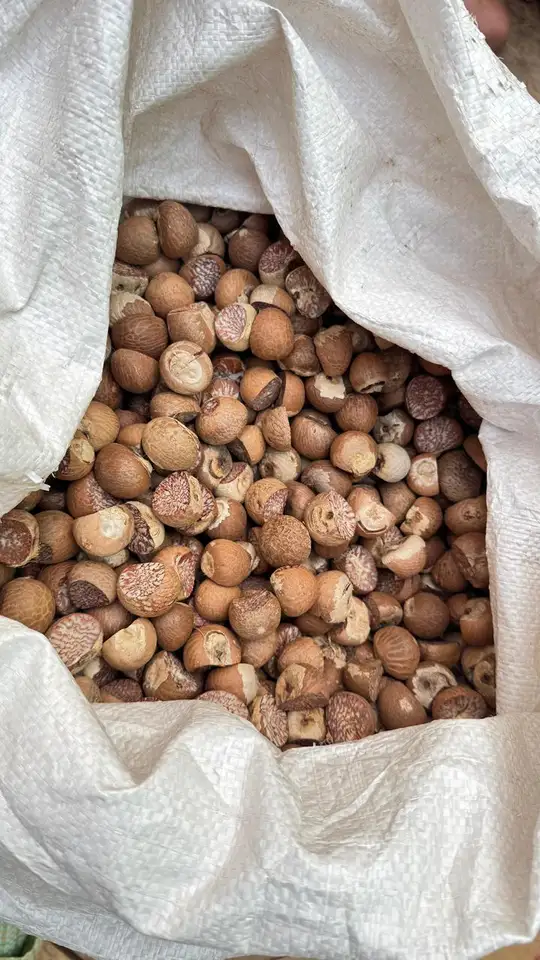
When describing a particular ceremony, it is better to identify the community, source and period than to assemble a generic national story. Photographs of commercial dried kernels cannot prove how a named community uses pinang or what meaning participants give it.
Reference: IARC Volume 85: background on areca-nut and betel-quid use
One word can carry several meanings
In an agricultural discussion, pinang may point to the growing palm or its harvest. In a trading conversation, the speaker may already assume a dried or cut form. In cultural writing, the same word may sit within a wider practice involving other materials.
Good explanation makes those assumptions visible. Name the plant part and the setting rather than relying on familiarity. This is particularly important for readers overseas who encounter pinang through an export catalogue before learning anything about its local context.
Respect does not require a health endorsement
It is possible to acknowledge cultural importance while being clear about health risks. Respectful reporting describes the practice accurately and allows participants’ perspectives to be understood; it does not require a business to repeat unproven claims about chewing.
The reverse is also true: a health warning should not be used as an excuse for stereotyping communities or treating their histories as interchangeable. Agricultural, cultural and medical questions can be discussed distinctly without erasing any of them.
How a commercial journal can tell a better story
For a future local feature, useful source material would include an identified interview, consent to publish the account and clear context for any images. Statements about a whole region should be supported beyond a single anecdote. That takes more care than reusing a stock caption.
This journal’s existing nut photographs illustrate the traded material, not a ceremony or a documented cultural event. Keeping that limit visible lets the article introduce pinang’s wider significance without pretending to be firsthand field reporting.