
Areca Nut vs Betel Nut: Names, Plants and Trade
Learn how areca nut, betel nut, supari and pinang relate, why betel leaf is a different plant, and how to describe Indonesian material clearly.
Areca nut and betel nut usually name the same agricultural material in international trade: the seed of the areca palm. In Indonesia, pinang is the familiar local term. Supari is another widely encountered name, particularly in South Asian commercial conversations. Different names can make one commodity look like several unrelated products.
However, a shared name does not make every offer interchangeable. Fresh fruit, dried kernels, split pieces and prepared mixtures are physically different goods. Understanding the vocabulary is the first step toward understanding the product, whether you are reading about agriculture or comparing commercial descriptions.
The nut and the leaf come from different plants
Areca catechu is a palm. Betel leaf belongs to Piper betle, a climbing plant. The common expression betel nut reflects their association in traditional preparations, not a botanical identity between the two plants. A supplier of areca kernels is therefore not necessarily a supplier of betel leaves.
This distinction matters outside purchasing too. An article about betel leaf cultivation, an image of a vine, or research on leaf extracts cannot automatically explain the properties of the areca seed. Always check the scientific name and the plant part being discussed.
Reference: Kew: Areca catechu botanical record
Why local and commercial words overlap
Everyday vocabulary develops around familiar practices, while export documentation needs a reproducible description. Someone saying pinang may be discussing the palm, its fruit or its dried seed. Someone requesting supari may already have a particular processed form in mind without stating it.
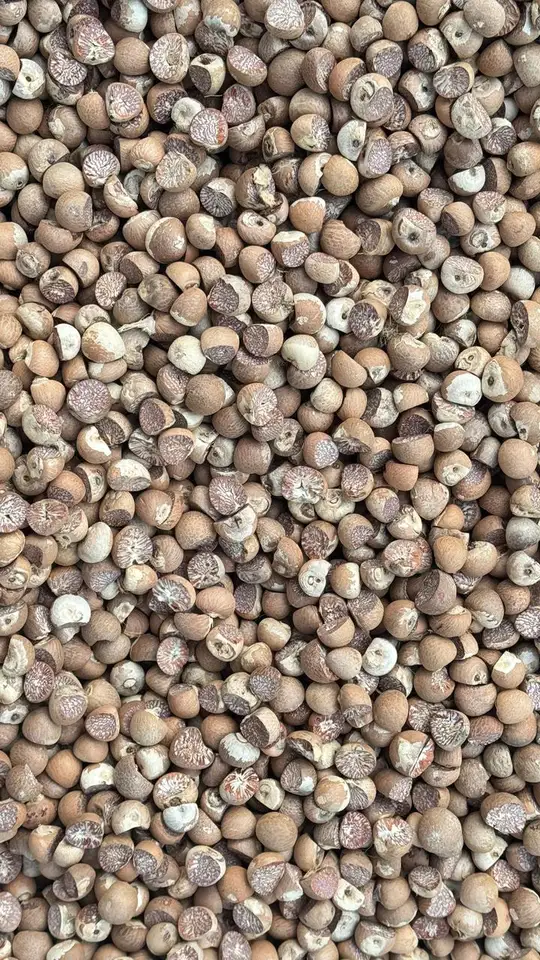
A useful translation therefore adds physical information rather than merely replacing one word. Indonesian dried split areca nut communicates more than pinang alone. The same principle applies to photographs: identify whether the visible material includes husk, consists of intact kernels, or has already been cut.
Build a description that survives translation
A clear product description starts with the botanical commodity, then states its condition and form. Add whether it is fresh or dried, whole or cut, and whether other ingredients or treatments are involved. Grade language belongs after those basic facts, not in place of them.
For example, a conversation about dried split kernels should not quietly become an offer for fresh whole fruit. The seller and receiving team should be able to picture the same material even when they work in different languages. Sample references and written dimensions help resolve the remaining ambiguity.
A different name does not change the health evidence
Calling the material supari, pinang or a natural nut does not remove the risks associated with chewing areca nut. This journal uses the terms to explain agriculture and trade, not to suggest that one spelling or origin makes consumption healthy. For the evidence and the distinction between commercial uses and health benefits, continue with our dedicated uses and risks article.
Reference: Areca nut uses, benefits and health risks