
West Sumatra Areca Nut and Local Crop Diversity
Explore West Sumatra’s place in areca nut research and the differences between a local palm population, a commercial lot and an export route.
West Sumatra offers an interesting route into the areca nut story through local crop diversity. Instead of beginning with an export ranking, this article begins with agricultural research: what kinds of material researchers observed and why those observations matter.
The distinction is useful because a place can be important to crop research without every commercial shipment from that place carrying a verified variety identity.
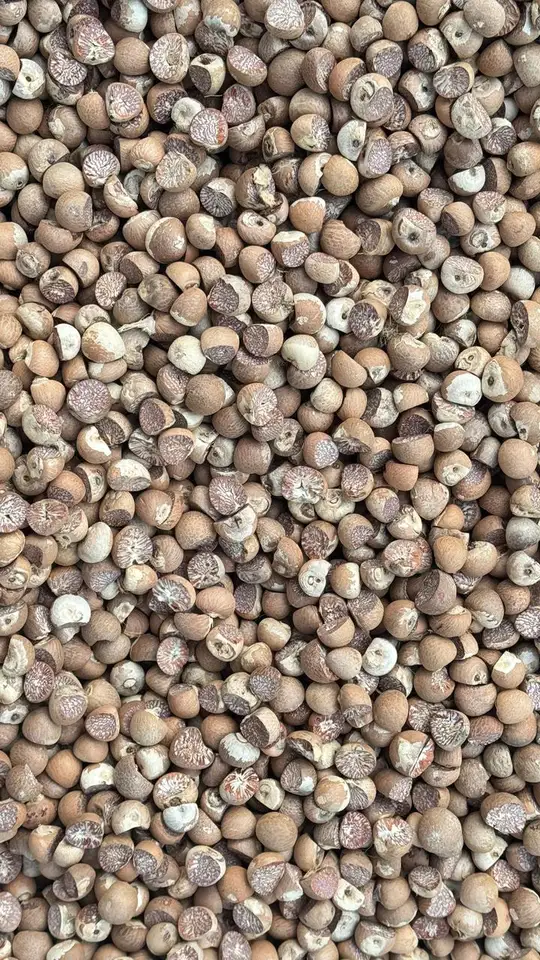
A region examined for local variation
A Ministry of Agriculture repository paper describes exploration and collection of areca material in West Sumatra, alongside work in Timika. It reports variation in observed plant characteristics and identifies material for subsequent research.
That establishes a research connection with the region. It does not turn all local palms into one uniform variety or demonstrate the current export volume of West Sumatra. The paper’s purpose should remain visible when its findings are discussed.
Reference: Ministry of Agriculture: West Sumatra and Timika areca exploration
A local population is not an export specification
A population name can describe where material was observed or collected. A commercial specification describes what a receiver accepts in a supplied lot. The two descriptions may be relevant to the same material, but neither replaces the other.
For example, a well-documented source still needs current inspection after harvest and preparation. Conversely, a lot that meets a processing specification should not acquire an unsupported cultivar identity merely because the seller knows its broad region.
Collection can change the precision of an origin claim
When material from several farms or collection dates is combined, the resulting record should reflect that mixture. Preserving a broad regional description may be reasonable, while preserving a single-farm claim may no longer be accurate.
This is why intake references and transformation records matter. They show how agricultural material becomes a commercial lot and where a precise origin claim can still be supported.
What would make a useful regional follow-up?
A stronger regional feature could combine a dated official production series, clearly identified field observations and a transparent account of handling practices. It should say whether the author directly visited a site or is interpreting published sources.
For now, the research provides a reason to take local diversity seriously. It is not a basis for claiming that West Sumatra nuts are universally larger, more profitable or better suited to every buyer. Those statements would need their own evidence.