
Dehusking Areca Nut: Where Handling Shapes the Lot
Explore the role of dehusking in areca nut processing, from separating fibrous material to managing breakage, cleanliness and usable output.
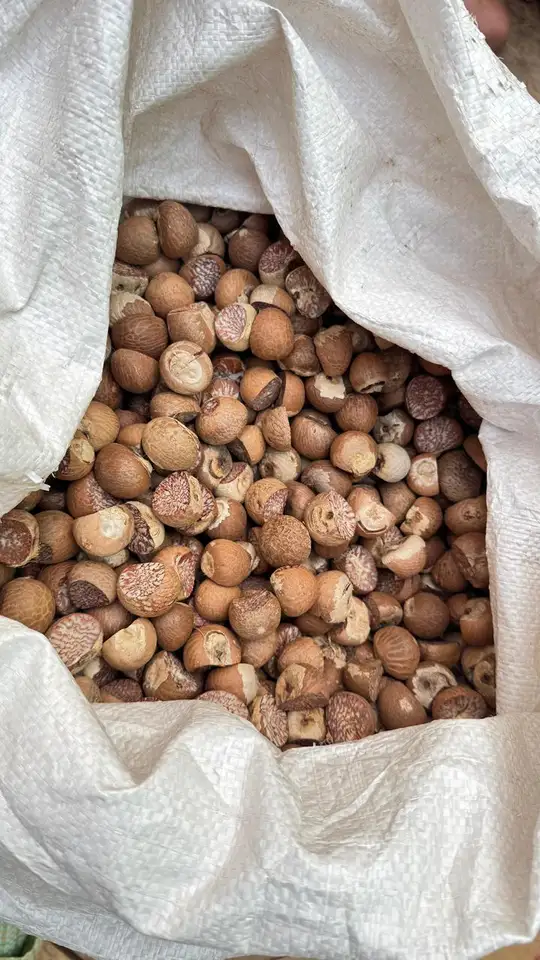
Dehusking separates the fibrous outer material of areca fruit from the kernel. It is a physical transformation with consequences for labor, output and the condition of the material passed to the next stage.
Because this step can look simple in a short video, it is easy to overlook the records and handling decisions around it. A useful assessment includes the entire batch, not only the cleanest kernels shown after the work is complete.
Know the material entering the operation
Record whether the incoming material is fresh, partly prepared or dried, and keep its batch identity visible. Different starting conditions should not be compared as though they were one uniform input.
The process sequence should reflect the actual operation. Avoid assuming that a generic farm-to-export diagram proves when dehusking took place for a particular lot. Ask for the handling history if that detail matters to the intended use.
Separate useful output, husk and rejects
The result includes more than the desired kernels. Recording separated husk, broken material and rejects helps explain how incoming mass becomes usable output. Otherwise every reduction in weight can be mistakenly described as loss.
A useful worksheet includes the weighing stage and packaging basis for each fraction. Reconcile gross and net measurements before drawing conclusions about performance, and note any samples or material carried over to the next batch.
Evaluate handling as well as throughput
A faster operation is not necessarily better if it creates more unwanted breakage or requires extra selection afterward. Compare the total labor and accepted output, including follow-up work, rather than only counting material passing through the first step.
Work practices and equipment should be assessed by competent personnel for the actual setting. Productivity targets should not override safe operation, maintenance or appropriate worker training. A short clip cannot establish that those conditions are being met.
Keep the next stage in view
The next process needs a clear description of what it receives. If husk carryover, fragments or unsuitable pieces remain, record them rather than allowing the next team to discover an unexplained difference.
Dehusking therefore belongs within the larger postharvest story. Its success is measured by traceable, suitable output and responsible handling, not simply by whether the fruit has visibly lost its outer layer.
Reference: Inside an areca fruit: distinguishing material streams