
Areca Nut Traceability: The Story Behind a Batch Code
Explore how batch records connect Indonesian areca nut collection, processing, samples and sacks, including what to record when lots are combined.
A batch code is useful only when it points to a meaningful record. Printing a number on a sack does not, by itself, explain where the material came from, how it was prepared or which sample represents it.
Traceability in an areca nut chain is the ability to follow those connections honestly. The right level of detail depends on the records that can actually be maintained.
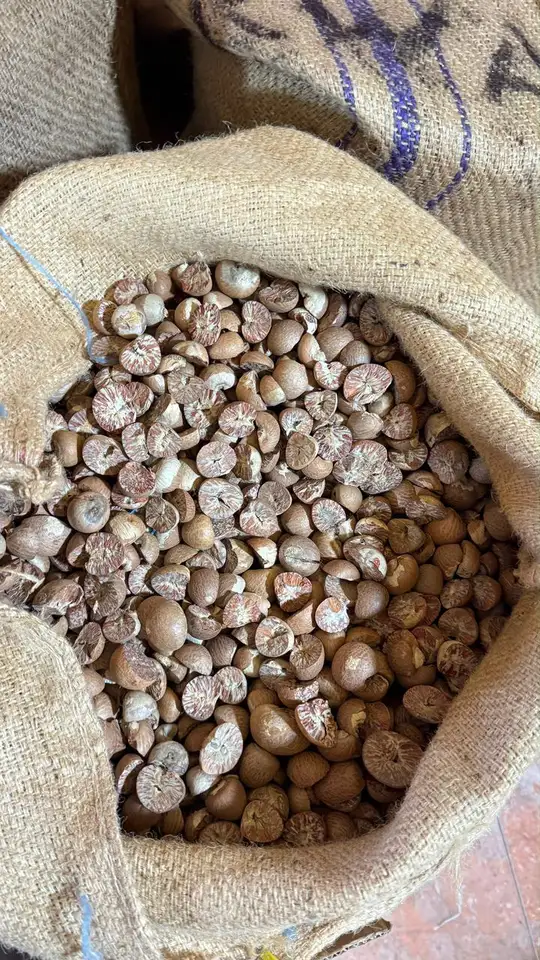
Begin with incoming references
At intake, record the source, receipt date, material description and quantity basis. If the source is a collection point rather than an individual farm, say so. A broad but accurate record is more useful than an unsupported farm-level claim.
Keep separate inputs distinguishable until a deliberate combining step is recorded. This preserves the ability to investigate an issue without pretending that material remained segregated when it did not.
Record splits and combinations
Processing can split one incoming lot into several outputs or combine several inputs into one commercial batch. Both relationships should be documented. A new code should point backward to its inputs rather than erasing them.
For example, a drying batch that is later sorted into whole kernels and fragments creates two different outputs. Record their identities and quantities separately so that later observations can be connected with the correct material.
Connect the sample with the offered goods
A laboratory result or retained sample needs a lot reference and a description of how the sample was selected. Without that connection, the document may be genuine but irrelevant to the shipment being discussed.
If the lot changes after sampling, review whether the original evidence remains representative. The record should explain additions, removals or reprocessing rather than silently retaining an old approval.
A usable system can start small
A well-maintained register can be more useful than a sophisticated dashboard filled with incomplete information. Assign responsibility for updates, use consistent units and make the records retrievable by the people handling an inquiry or issue.
The aim is not to claim perfect visibility into every farm. It is to describe the verified chain, identify gaps and improve continuity where it matters. That gives a batch code a practical meaning beyond its appearance on the packaging.