
Reducing Losses after the Areca Nut Harvest
See how recording rejects, handling damage and storage delays can reveal avoidable losses between the farm, drying area and export packing stage.
Postharvest loss is easier to discuss than to measure. A reduction in weight may reflect intended drying or husk removal, while damage, rejection and unexplained shortages are different issues.
To improve an areca nut operation, begin by separating these categories. A clear account of where material goes often identifies more useful actions than a broad instruction to reduce waste.
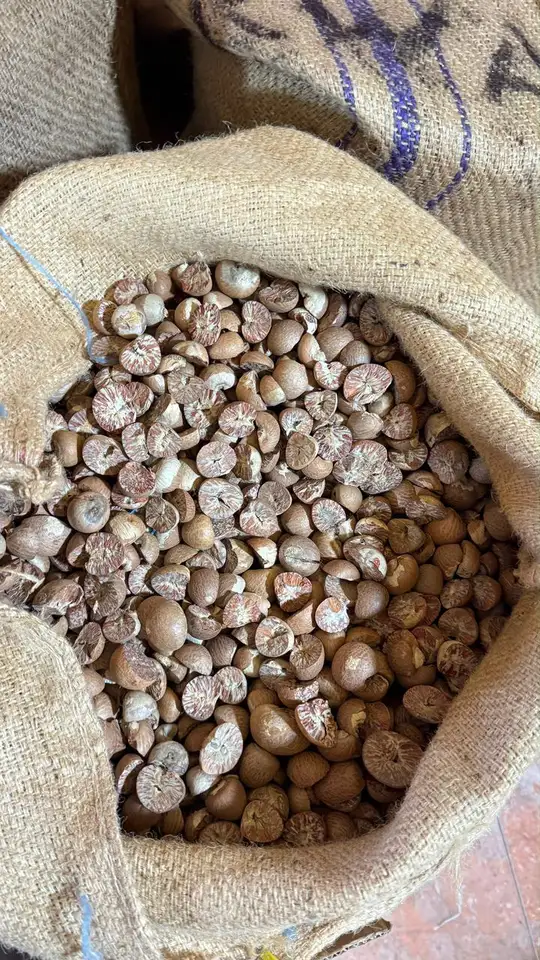
Define the loss before assigning a cause
Record the stage at which material is measured and the reason it leaves the main product stream. Water removal, separated husk, usable fragments and rejected kernels should not disappear into one number.
This distinction allows a team to focus on avoidable problems rather than normal transformation. It also prevents a process that retains unsuitable material from appearing more efficient merely because it reports a higher outgoing weight.
Look closely at handovers and delays
Collection, transport, preparation and storage each involve a handover. Unclear batch identity or delayed communication can make an issue harder to locate. Record when the material arrived, what condition was noted and who accepted responsibility for the next step.
If rejects increase, compare the affected lots with earlier records rather than guessing from memory. Ask whether the source, handling method, waiting period or storage arrangement changed. The objective is to identify a testable cause.
Change one manageable part of the process
A practical improvement trial might focus on handling damage, segregation or a documented release check. Define the expected result and measure the same categories before and after the change. Include extra labor or equipment costs in the comparison.
Avoid introducing several changes without recording them. If the result improves, the team needs to know which action helped and whether the improvement is repeatable under ordinary working conditions.
Use rejection records as feedback
Rejected material should be documented and managed according to its condition and applicable requirements, not relabeled to conceal the problem. The reason for rejection can provide useful feedback to collection or processing teams.
Over time, a consistent loss log can support better planning and more credible commercial claims. It does not promise zero loss; it makes the difference between intended transformation and avoidable damage visible.
Reference: Areca nut moisture and storage checks