
Responsible Areca Nut Sourcing: Evidence over Labels
Explore land-use, labor, waste and traceability questions behind responsible areca nut sourcing without treating natural origin as certification.
Responsible sourcing is a set of questions about how material is produced and handled, not a synonym for natural. A crop’s agricultural origin does not automatically establish its land-use history, labor conditions or environmental performance.
For Indonesian areca nut, a credible discussion should identify what is known, which records support it and where visibility remains limited. This article offers a framework for that conversation, not a certification claim.
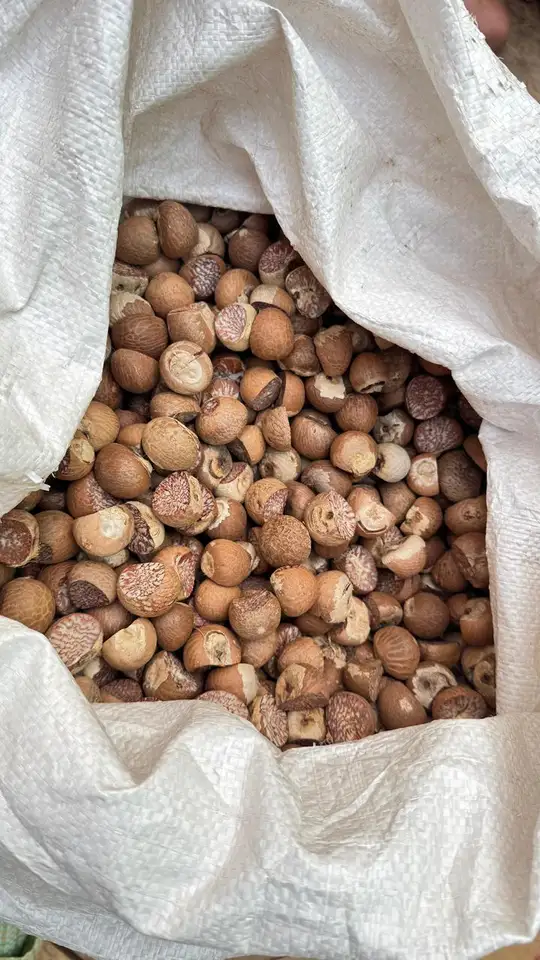
Ask what the origin record actually establishes
A supplier location, a growing-region label and a verified land-use history are different kinds of information. Do not let one stand in for another. A claim about an individual farm requires a link to that farm and appropriate supporting evidence.
If sourcing passes through collection points, explain the resulting limits. Improving traceability can be a useful step without claiming that every environmental question has already been answered.
Include the people handling the crop
Collection, preparation and packing involve work that should be visible in a sourcing discussion. Relevant questions include how responsibilities are assigned, whether workers are trained for the tasks and how concerns can be raised.
A brief site photograph cannot establish working conditions over time. Where verification is important, use a suitable review process and accurately describe its scope rather than treating a single visit as universal assurance.
Measure a specific improvement
A proposal to reduce rejects, improve drying efficiency or use a residue should identify a baseline and a measurable outcome. Include the costs and any new waste stream created by the change.
Avoid an automatic environmental label for every by-product project. A finished material may contain treatments or binders, and its disposal route may differ from the raw plant residue. The claim should follow the tested product and conditions.
Keep claims proportionate to the evidence
If a business uses a certificate, verify its issuer, validity and scope, including whether it covers the offered material and activity. If no relevant certification exists, describe the actual practice instead of implying an endorsement.
Responsible sourcing can begin with modest improvements: clearer records, better segregation and documented follow-up on problems. Those are useful actions even when they do not support a sweeping claim of sustainable supply.
Reference: Traceability: connecting a batch code with records